
A small sore, thickened toenail, or new area of redness can become a serious problem faster than many older adults expect. This senior foot care guide is designed to help seniors, family members, and caregivers recognize daily needs, avoid common mistakes, and know when professional podiatric care is the safest next step.
Foot discomfort is not an inevitable part of aging. While arthritis, circulation changes, diabetes, and reduced mobility can make foot conditions more likely, many problems respond well to early treatment. Consistent attention can reduce pain, lower the risk of falls, and help an older adult remain active and independent.
Why Foot Health Changes With Age
As people age, the skin on the feet often becomes thinner and drier. Nails may grow thicker, become brittle, or develop fungal changes. Arthritis can alter the shape of toes and joints, while reduced flexibility or poor vision can make routine nail and skin care difficult.
Circulation and sensation also deserve close attention. Some seniors have diminished feeling in their feet due to diabetes, neuropathy, spinal conditions, or certain medications. When pain or pressure cannot be felt normally, a blister, cut, or ill-fitting shoe may cause tissue damage without an obvious warning. That is why regular visual checks matter, even when the feet do not hurt.
A Senior Foot Care Guide for Daily Prevention
A brief daily routine is often more effective than waiting for a problem to become painful. The best time to inspect the feet is after bathing or before putting on socks and shoes. If bending is difficult, a hand mirror or assistance from a trusted caregiver can make the process safer.
Look over the tops, soles, heels, and spaces between the toes. Pay attention to redness, swelling, cracks, blisters, cuts, drainage, bruising, color changes, or areas that feel unusually warm. Check for a new callus or corn, especially over a toe joint or the ball of the foot, since these can signal repeated shoe pressure.
Wash feet with lukewarm water and mild soap, then dry carefully, particularly between the toes. Moisturizer can help prevent painful cracking on the heels and soles, but it should not be applied between toes, where excess moisture can contribute to skin breakdown or fungal infection.
Socks should be clean, dry, and free of tight seams. For people with diabetes, circulation concerns, or swelling, socks that do not constrict the leg may be more comfortable. Shoes should be checked before they are put on. A loose pebble, folded insole, or rough interior seam can cause injury in someone with reduced sensation.
Safe Toenail and Skin Care
Toenails should generally be trimmed straight across and not cut too short at the corners. Filing sharp edges can help prevent snagging. However, routine nail care is not always simple for older adults. Thick, curved, brittle, or fungal nails can be difficult to trim safely, and poor eyesight, arthritis, tremors, or limited reach increase the chance of a cut.
Avoid digging into the corners of a nail to treat an ingrown toenail at home. Do not use bathroom-surgery tools, sharp blades, or over-the-counter acid products to remove corns or calluses, particularly if diabetes, neuropathy, or circulation disease is present. These products can burn healthy skin and create wounds that require more extensive care.
Professional podiatric treatment is usually the safer choice when nails are painful, severely thickened, discolored, curved, or repeatedly ingrown. A podiatrist can also evaluate whether nail changes are caused by fungus, trauma, psoriasis, or another medical issue. Treatment depends on the cause, and cosmetic solutions alone may not address an infection or underlying pressure problem.
Choose Shoes for Stability, Not Just Size
Shoes are one of the most practical tools for preventing pain, falls, and pressure-related wounds. A shoe may technically fit in length but still create problems if it is too narrow, shallow, loose at the heel, or worn down unevenly.
Look for a supportive shoe with a roomy toe box, secure closure, firm heel counter, and sole that provides traction without being excessively stiff or heavy. Adjustable laces, straps, or closures can accommodate mild swelling better than slip-on shoes. The shoe should feel comfortable immediately. A break-in period is not a reason to tolerate rubbing, toe pressure, or heel pain.
Shoes should be measured periodically because foot size and shape can change with age, swelling, arthritis, bunions, hammertoes, and weight changes. One foot may also be larger than the other. Fit the larger foot, and have shoes evaluated later in the day if swelling is common.
Custom orthotics or accommodative inserts may help distribute pressure and improve comfort for some patients. They are not necessary for everyone, and an insert that does not fit properly can worsen pressure. A podiatric evaluation can determine whether an orthotic, shoe modification, bracing, or a different type of footwear is appropriate.
Pay Attention to Balance and Fall Risk
Foot pain changes how a person walks. Someone with a painful heel, bunion, callus, or unstable ankle may shorten their stride, avoid placing weight on one side, or shuffle to compensate. Over time, these changes can increase fall risk and contribute to knee, hip, or back discomfort.
Do not dismiss a new limp as simply “getting older.” Persistent pain, recurrent ankle instability, numbness, or difficulty walking across uneven surfaces should be assessed. The right treatment may involve conservative care such as footwear changes, padding, orthotics, physical therapy recommendations, nail or callus care, or medication. In other situations, imaging, wound treatment, injections, or a surgical consultation may be needed.
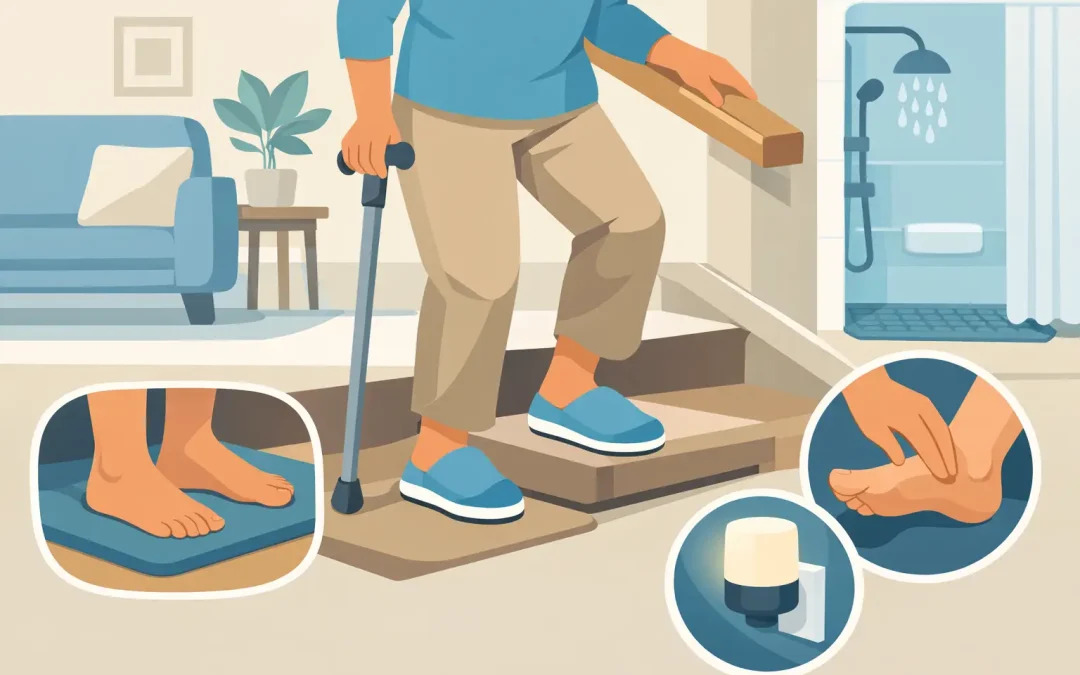
At home, reduce hazards that can compound a foot problem. Keep walking paths clear, use adequate lighting, secure loose rugs, and avoid walking in socks on slippery floors. Supportive indoor footwear is often safer than bare feet or loose slippers, especially for people with neuropathy or balance concerns.
When Diabetes or Poor Circulation Is Part of the Picture
Diabetes requires a higher level of foot vigilance because nerve damage and impaired circulation can slow healing and mask injuries. Even a seemingly minor blister or crack can become infected or develop into an ulcer if pressure continues.
People with diabetes should avoid walking barefoot, including indoors and at the beach or pool. They should inspect their feet every day and seek prompt care for cuts, blisters, redness, swelling, drainage, or skin that turns dark, pale, blue, or unusually warm. A wound that does not improve quickly should never be managed by waiting it out.
Peripheral artery disease and other circulation problems can also affect healing. Warning signs include feet that are consistently cold, pain in the calves with walking, color changes, slow-healing sores, or diminished pulses. These symptoms deserve medical evaluation, particularly when they occur alongside diabetes, smoking history, kidney disease, or heart disease.
Symptoms That Need Prompt Podiatric Care
Some problems can wait for a routine visit, but others should be evaluated without delay. Contact a podiatrist promptly for a new open sore, drainage, spreading redness, sudden swelling, increasing pain, fever with a foot problem, or a suspected infection. A blackened area of skin, a rapidly changing wound, or a foot that becomes pale, blue, cold, or numb may require urgent medical attention.
A sudden inability to bear weight after a fall or twist should also be assessed. Older adults can sustain fractures even when the injury seemed minor, particularly if osteoporosis or reduced sensation is present.
For seniors who cannot easily travel, mobile podiatry can make regular foot and nail care, diabetic foot assessments, and wound monitoring more accessible. This option can be especially valuable for homebound patients and residents of assisted living or skilled nursing facilities who need consistent professional attention.
Premium Podiatry Foot and Ankle Care provides comprehensive care for routine concerns and complex foot and ankle conditions, including diabetic foot problems, painful nails, wounds, deformities, and mobility-limiting pain. The goal is not simply to treat what is visible, but to identify the pressure, injury, disease, or biomechanical issue causing it.
A healthy foot care routine should make everyday movement feel more secure, not more complicated. When a senior notices a change that does not resolve, early evaluation can protect comfort, mobility, and independence.