
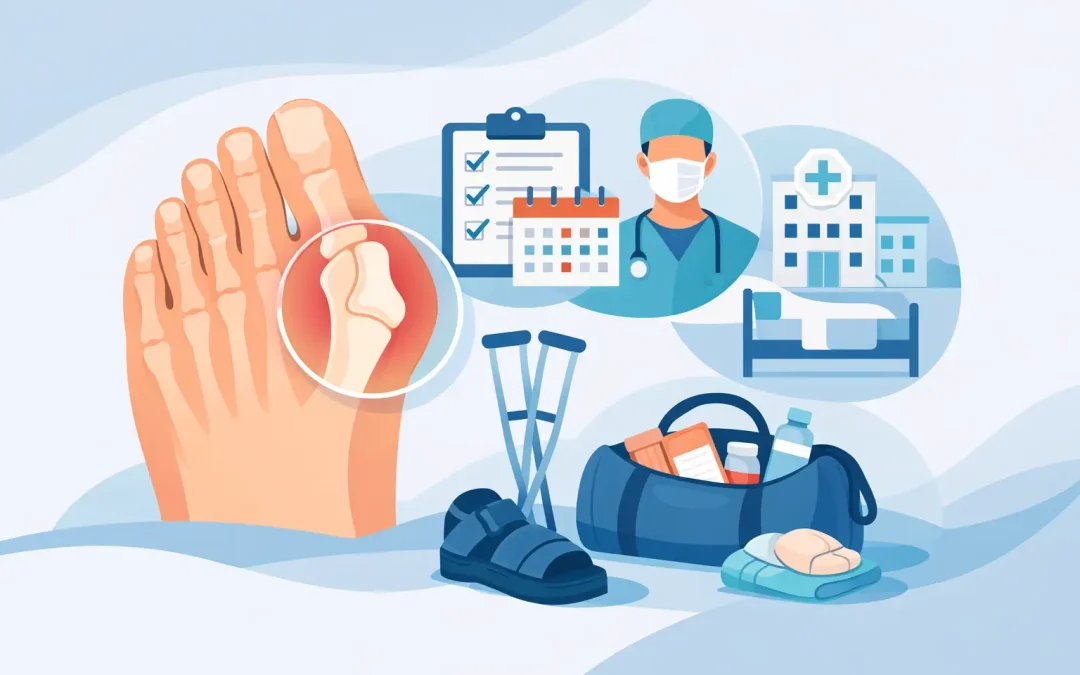
Bunion surgery is not simply a procedure to remove a bump. It is a carefully planned correction of the bones, joints, tendons, and soft tissues that have allowed the big toe to shift out of position. Knowing how to prepare for bunion surgery can make the days before your procedure calmer and can make the first weeks of recovery safer, more comfortable, and less disruptive to daily life.
The exact preparation plan depends on the type of bunion, the procedure recommended, your overall health, and how much time you will need to stay off your foot. Your surgeon’s instructions should always take priority, but the steps below can help you plan with confidence.
Understand Your Procedure and Recovery Restrictions
Bunion surgery is customized. Some patients need a minimally invasive correction, while others need a more involved procedure to realign bone or stabilize a joint. The location and severity of the deformity, arthritis in the joint, prior surgery, bone quality, and activity goals all influence the surgical plan.
Before surgery, make sure you understand what will be corrected and what recovery will realistically involve. Ask whether you will be allowed to bear weight right away in a surgical shoe or boot, or whether you will need crutches, a walker, knee scooter, or a period of non-weight-bearing. Do not assume that a smaller incision means an immediate return to normal shoes or exercise. Internal bone healing still takes time.
It is also helpful to ask when you can expect to drive, shower, return to desk work, stand for longer periods, and resume activities such as walking for fitness or sports. Recovery often happens in stages. Swelling can remain noticeable for several months, particularly at the end of the day, even when pain and mobility are improving.
Questions to Bring to Your Surgical Visit
Write down questions before your appointment so important details do not get lost in the moment. Useful questions include:
- What procedure are you recommending, and why is it appropriate for my foot?
- How long will I need to limit weight-bearing and keep the foot elevated?
- Which medications and supplements should I stop or continue before surgery?
- What device, dressing, or special shoe will I need after surgery?
- What symptoms after surgery require an urgent call to the office?
Clear answers help you arrange support and avoid recovery decisions based on guesswork.
Complete Medical Clearance and Review Your Medications
Your podiatric surgeon may request medical clearance, blood work, an EKG, imaging, or additional testing before surgery. This is especially common for older adults and patients with diabetes, heart disease, circulation concerns, lung conditions, sleep apnea, or a history of blood clots. These evaluations are not a formality. They identify risks that may need to be addressed before an elective procedure.
Bring a complete medication list to your preoperative visit. Include prescription medicines, over-the-counter pain relievers, vitamins, herbal supplements, and injections. Certain medications may increase bleeding risk, affect blood sugar, or interact with anesthesia. Do not stop blood thinners, diabetes medications, or heart medications on your own. Your surgeon, primary care clinician, and anesthesia team should coordinate a plan that is safe for you.
If you have diabetes, blood sugar management deserves special attention. Elevated glucose can slow wound healing and increase infection risk. Follow the guidance you receive for meals, insulin, or other diabetes medications before and after surgery. Patients with numbness from neuropathy or a history of ulcers may need more frequent postoperative monitoring.
Smoking and nicotine products can significantly interfere with bone and soft-tissue healing. This includes cigarettes, vaping, nicotine pouches, and patches unless your medical team advises otherwise. If you use nicotine, discuss it early. Stopping well before surgery gives your body a better environment for healing.
Prepare Your Home Before Bunion Surgery
The first few days after surgery are usually easier when your home is prepared in advance. You may need to keep your foot elevated above heart level for much of the day to control swelling and discomfort. Choose a recovery area near a bathroom, with a supportive chair or bed and enough space to move safely with a walker, crutches, or scooter.
Place commonly used items within easy reach: medications, water, a phone charger, tissues, reading material, and snacks that fit your dietary needs. Use firm pillows or an elevation wedge to support the leg. Avoid placing the heel directly against a hard surface for long periods, especially if you have diabetes, poor circulation, or fragile skin.
Falls are a major concern after foot surgery. Clear loose rugs, electrical cords, pet toys, and clutter from walking paths. Make sure lighting is adequate, particularly for nighttime trips to the bathroom. If your bathroom does not have a secure handhold, consider adding a shower chair, nonslip mat, or raised toilet seat based on your mobility needs.
For patients who live alone, have balance problems, or use a mobility device already, arranging help is particularly valuable. A family member, friend, caregiver, or trusted neighbor can assist with meals, errands, dressing, and transportation during the first several days. Mobile podiatry and caregiver coordination can also be helpful for patients with limited mobility who need ongoing foot care support.
Plan Transportation, Work, and Daily Responsibilities
Most patients should not plan to drive themselves home after bunion surgery. Anesthesia, sedation, pain medication, and the operated foot can all affect reaction time and safe braking. Arrange a responsible adult to take you home and, if instructed, stay with you for the first night.
Driving again depends on which foot was treated, your procedure, pain medication use, and your ability to safely control the vehicle. Surgery on the right foot commonly delays driving longer than surgery on the left, but every patient needs individual clearance. Never drive while taking opioid pain medication or while wearing a device that prevents safe pedal control.
Think beyond the procedure date. If your job requires standing, walking, climbing, or lifting, you may need more time away or temporary work restrictions than someone with a desk-based role. Arrange time off, work-from-home options, childcare, pet care, grocery delivery, and help with household chores before surgery rather than trying to solve these problems while your foot is elevated.
Follow Preoperative Instructions Closely
Your surgery center or office will provide instructions about eating, drinking, bathing, medications, and arrival time. Follow these directions exactly. If anesthesia is planned, you may be told not to eat or drink after a specific time. This reduces the risk of serious anesthesia complications. If you are unsure whether water, coffee, gum, or a medication is allowed, call and ask rather than making an assumption.
You may be asked to bathe with a particular cleanser, avoid applying lotion or nail polish, and wear loose clothing that fits easily over a surgical shoe or boot. Choose wide-leg pants or shorts, and bring your insurance information, identification, medication list, and any prescribed assistive device if requested.
Fill postoperative prescriptions before surgery whenever possible. This may include pain medication, an anti-nausea medication, an antibiotic in selected cases, or medication to reduce blood clot risk. Having these ready prevents an unnecessary pharmacy trip when you should be resting at home.
Prepare for Pain Control and Swelling Management
Pain after bunion surgery is usually most noticeable in the first several days, but it should be manageable with the plan provided by your surgeon. Take medication exactly as directed and do not wait until pain becomes severe before addressing it. Depending on your medical history, your plan may combine prescribed medication with acetaminophen, anti-inflammatory medication, ice, elevation, or a regional nerve block.
Do not add aspirin, ibuprofen, naproxen, supplements, alcohol, or sleep aids without checking first. Some products can increase bleeding risk or interact with pain medication. Constipation is also common with opioid pain medicines, so ask whether you should prepare with hydration, fiber, or a stool softener.
Elevation is not optional comfort care. It helps reduce swelling, pressure, throbbing, and tension on the incision. Keep the dressing clean and dry, and do not remove or alter it unless you have been instructed to do so. Swelling often increases when patients become more active too quickly.
Know When to Call Your Surgeon
Your postoperative instructions will explain what is expected and what needs urgent attention. Mild swelling, bruising, and temporary numbness can occur, but worsening symptoms should be assessed promptly. Contact your surgical team for increasing pain that does not improve with prescribed treatment, a dressing that feels excessively tight, persistent bleeding, fever, foul-smelling drainage, spreading redness, calf pain, chest pain, or shortness of breath.
Do not dismiss concerns because you do not want to bother the office. Early communication can prevent a minor issue from becoming a larger problem, particularly for patients with diabetes, vascular disease, immune suppression, or a history of wound-healing difficulty.
A successful recovery begins before the operation. Give yourself permission to slow down, accept help, and follow restrictions even when you start feeling better. With an individualized surgical plan, thoughtful home preparation, and consistent follow-up, bunion correction can be a meaningful step toward more comfortable walking and better foot function.