
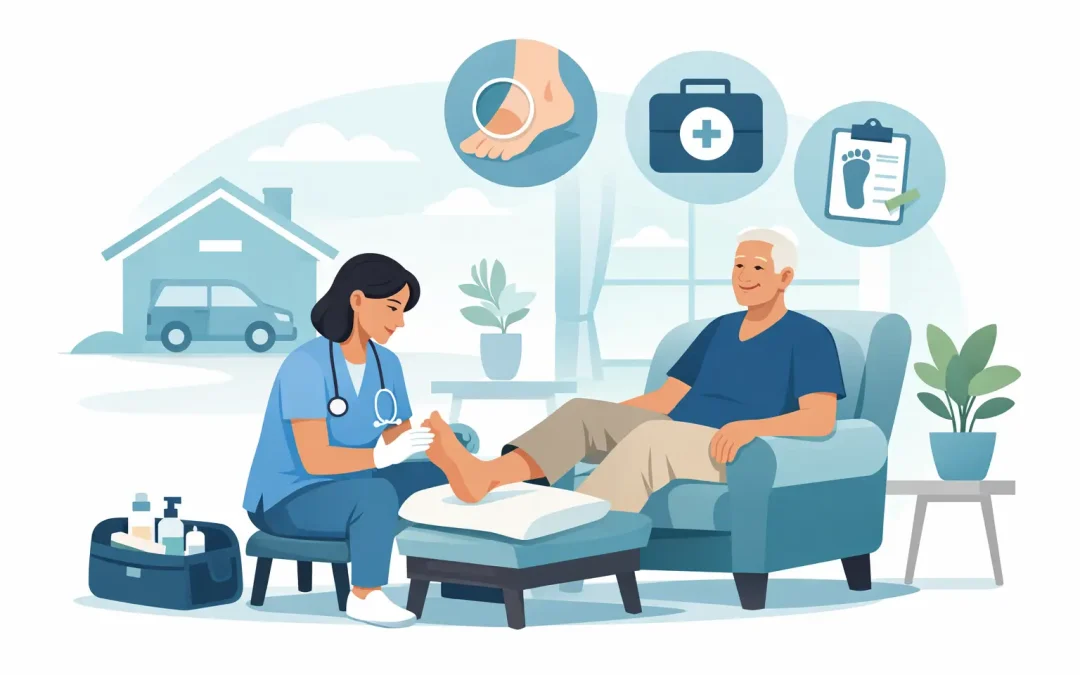
A painful callus, thickened nails, a draining wound, or swelling that makes shoes difficult to wear can become much more than a foot problem when getting to a medical office is not realistic. The home visit podiatrist benefits for patients and caregivers are practical: skilled foot and ankle care can come to the patient, allowing concerns to be evaluated before discomfort, infection, or loss of mobility becomes more serious.
For older adults, people with diabetes, patients recovering from surgery or illness, and those with limited mobility, missed appointments are often not a matter of choice. Transportation may require a caregiver, wheelchair-accessible vehicle, or a physically demanding trip that worsens pain. Mobile podiatry helps remove that barrier while maintaining the clinical attention patients need.
Home Visit Podiatrist Benefits for Patients Who Cannot Travel
The greatest benefit of an in-home podiatry visit is not simply convenience. It is continuity of medical care for people who might otherwise delay treatment. Foot conditions can change quickly, particularly when circulation is poor, sensation is reduced, or a patient cannot comfortably inspect the bottoms of their feet.
A qualified podiatrist can assess common concerns in the home or care facility, including painful or ingrown nails, fungal nail changes, corns, calluses, heel pain, skin irritation, swelling, and diabetic foot risks. The visit also gives the physician a clearer understanding of the patient’s daily situation. They can see whether footwear is appropriate, whether the patient is walking safely in the home, and whether caregivers have the information needed to support the treatment plan.
For patients who are homebound, this access can mean the difference between routine preventive care and a problem that progresses until urgent treatment is necessary. It also reduces the strain of arranging repeated transportation for ongoing nail care, wound checks, or follow-up evaluations.
More timely care for diabetic feet
Diabetes can affect blood flow, nerve sensation, healing, and the body’s ability to fight infection. A small blister, cut, pressure area, or crack in the skin may not hurt, especially for someone with neuropathy. That lack of pain can create a false sense of security.
Home visits make regular diabetic foot evaluations more achievable for patients who have trouble traveling. During an assessment, a podiatrist can look for skin breakdown, callus buildup, color changes, swelling, drainage, temperature differences, and signs of pressure from shoes or braces. Early treatment may include careful callus care, wound management, offloading recommendations, footwear guidance, or coordination with a patient’s broader medical team.
A mobile visit is not a substitute for emergency care. Spreading redness, fever, blackened tissue, sudden severe swelling, uncontrolled bleeding, or a rapidly worsening wound requires urgent medical attention. But routine monitoring and early intervention can help identify concerns before they reach that point.
Safer nail and skin care
Routine nail care may sound simple, but it can be risky for someone with diabetes, poor circulation, limited vision, blood-thinning medication, or difficulty reaching their feet. Attempting to cut thick nails at home can lead to cuts, bleeding, ingrown nails, or skin injury. Using sharp tools or harsh over-the-counter corn treatments can also damage healthy skin.
A podiatrist provides medically appropriate nail and skin care while checking for underlying issues that may be easy to miss. Thick, discolored nails may reflect fungal infection, pressure from footwear, trauma, or another condition that needs a different treatment approach. Recurrent corns and calluses can signal an abnormal pressure pattern, deformity, or poorly fitting shoes rather than a problem that will resolve with trimming alone.
Home-Based Care Supports Mobility and Independence
Foot pain often changes how people move long before they describe it as a mobility issue. A person may begin avoiding stairs, taking shorter steps, holding onto furniture, or staying seated because walking is uncomfortable. Those adjustments can increase fall risk and reduce independence over time.
In-home podiatry offers an opportunity to address the foot-related causes of unsafe walking. The podiatrist can evaluate pain from arthritis, bunions, hammertoes, plantar fasciitis, ankle instability, calluses, or nail pressure. When appropriate, treatment may include conservative measures such as padding, shoe modifications, bracing recommendations, medication guidance, or custom orthotic planning. Some conditions require imaging, an office procedure, or surgical consultation, and a home assessment can help determine when that next step is needed.
The setting matters. In a clinic, a patient may demonstrate only a few steps from the waiting room to the exam chair. At home, the physician may better understand the real obstacles affecting mobility, such as narrow shoes, slippers without support, uneven walking surfaces, or a lack of assistance with foot care.
Reduced stress for caregivers and families
Caregivers frequently manage transportation, appointment schedules, medication lists, mobility equipment, and communication with multiple clinicians. Taking a loved one to an office can require hours of planning, especially when the patient has dementia, weakness, oxygen needs, or difficulty transferring from a wheelchair.
A home visit reduces some of that logistical burden and allows family members or facility staff to participate in the discussion. They can ask questions about wound care, nail changes, footwear, skin checks, and warning signs that should prompt a call. Clear guidance is especially valuable when different caregivers share responsibilities.
For assisted living communities, nursing facilities, and senior residences, on-site podiatric care can also support a more consistent standard of preventive foot health. Regular evaluations help staff identify which residents need closer monitoring and which concerns can be managed conservatively.
What a Home Podiatry Visit Can and Cannot Do
Mobile care is highly useful, but it is not the right setting for every foot and ankle problem. A home visit may be well suited for evaluation, routine foot care, diabetic foot surveillance, wound follow-up, painful nail treatment, pressure-related skin concerns, and certain mobility-related assessments.
More complex diagnostic or procedural needs may require an office, imaging center, hospital, or surgical setting. A suspected fracture, severe infection, acute tendon rupture, major deformity, or wound needing advanced intervention may require services that cannot be safely provided in a residence. The advantage of a podiatry evaluation is that patients receive direction from a foot and ankle specialist rather than trying to decide on their own whether a problem can wait.
Patients should also understand that mobile service availability can depend on location, scheduling, insurance coverage, medical necessity, and the type of care required. Asking about these details before the appointment helps set realistic expectations.
Preparing for an In-Home Foot and Ankle Appointment
A little preparation helps the visit focus on the patient’s most pressing needs. Have a current medication list available, along with information about allergies, diabetes management, blood thinners, recent hospitalizations, and prior foot procedures. If there is a wound, note when it started, whether drainage or odor has changed, and what care has already been provided.
Patients should wear or set aside the shoes they use most often, including slippers, braces, inserts, or compression garments. These items can reveal pressure points and support needs that are not obvious from an exam alone. If a family member or caregiver has noticed a change in walking, falls, reluctance to stand, or new confusion about foot care instructions, that information is worth sharing.
For a home visit, a clean, well-lit area with a stable chair is usually helpful. Patients do not need to solve every problem before the podiatrist arrives. The goal is to make it easier for the physician to see the feet, understand the concern, and create a safe plan.
When to Consider Mobile Podiatry Care
Consider requesting a home or facility-based podiatry evaluation when traveling to an office has become difficult and a foot concern is being delayed because of it. This may include persistent nail pain, recurring calluses, a diabetic foot check that is overdue, a slow-healing sore, swelling, new skin discoloration, or discomfort that is reducing walking.
Premium Podiatry Foot and Ankle Care provides comprehensive podiatric care for patients who need flexible access to experienced foot and ankle treatment in Southern California. Whether care begins at home, in a facility, or in the office, the right approach is one that addresses the immediate problem while protecting long-term mobility.
Feet often provide early warning signs of broader health and mobility changes. Receiving professional care where a patient lives can make it easier to act on those signs promptly, comfortably, and with the attention they deserve.